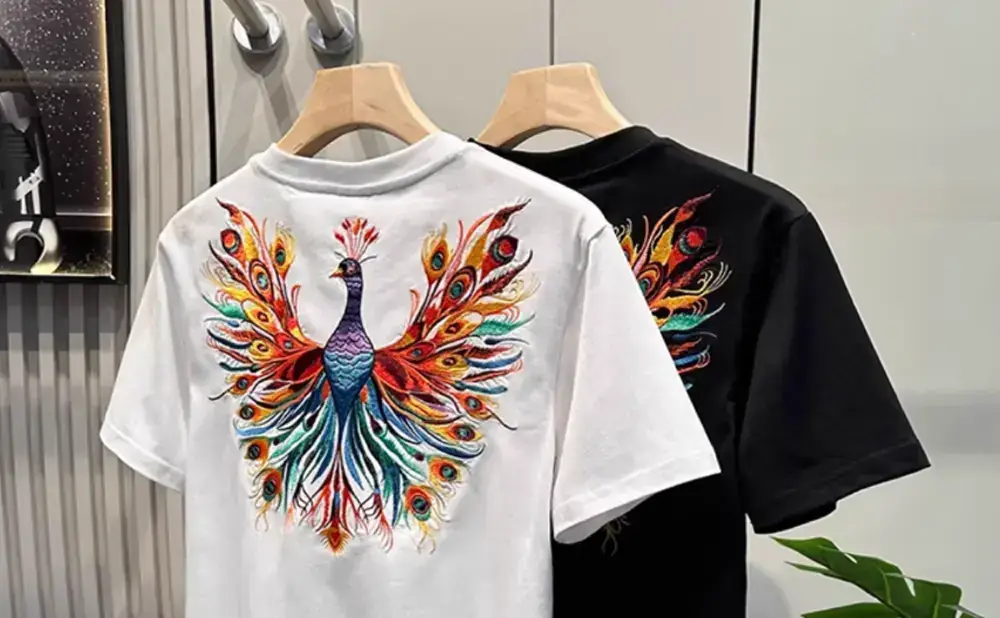
Direct-to-film (DTF) printing has revolutionized the custom apparel and textile industry, offering unparalleled versatility and vibrant results on a vast array of materials. Whether you’re a fashion designer, a print shop owner, or a DIY enthusiast, understanding how DTF printing interacts with different fabric types is key to unlocking its full potential. In this comprehensive guide, we explore the wonders of DTF printing on natural fibers, synthetics, blends, and specialty fabrics—giving you the insights you need to create stunning, durable designs.
What Is DTF Printing?
DTF printing is a modern digital printing method that involves printing a design onto a special PET film, applying adhesive powder, and then heat-pressing the transfer onto fabric. Unlike traditional screen printing or direct-to-garment (DTG) methods, DTF works on almost any fabric type without the need for pretreatment, making it a favorite for both small batches and large-scale production.
DTF Printing on Natural Fibers
Cotton: The Perfect Canvas
Cotton fabrics are among the most popular choices for DTF printing. From standard pure cotton to ring-spun, combed ring-spun, and organic cotton, the results are consistently impressive. The natural fibers absorb the adhesive and ink beautifully, producing bright, high-definition designs that feel soft to the touch.
Key benefits:
- Exceptional color vibrancy and detail
- Excellent wash durability—prints remain intact even after multiple cycles
- Breathable finish that doesn’t compromise fabric comfort
Pro tip: Because cotton is highly absorbent, ensure your heat press temperature and pressure are optimized (typically 320–340°F) to achieve maximum adhesion without scorching the fabric.
Silk: Delicate Elegance Meets Digital Precision
Silk’s smooth, lustrous surface makes it a luxurious choice for high-end fashion. DTF printing adds an extra layer of artistry, allowing intricate patterns and brilliant colors to grace this delicate fabric. However, working with silk requires extra care:
- Use lower heat press temperatures (around 275–300°F) to avoid damage.
- Apply gentle pressure to preserve the fabric’s sheen and drape.
- Choose fine-detail DTF transfers to highlight silk’s natural elegance.
When done right, DTF-printed silk pieces become wearable art, perfect for scarves, blouses, and evening wear.
DTF Printing on Synthetic Fibers
Polyester: A Burst of Color
Polyester is ubiquitous in sportswear, uniforms, and everyday fashion due to its durability, wrinkle resistance, and quick-drying properties. DTF printing on polyester delivers saturated, fade-resistant colors that pop. The process works seamlessly with both woven and knit polyester fabrics.
Advantages:
- High colorfastness—designs stay bright through repeated washing
- No ghosting or bleeding, even on lightweight polyester
- Ideal for activewear, team jerseys, and promotional items
For best results, use a high-quality DTF adhesive powder and ensure the transfer is fully cured under the heat press.
Nylon: Tough and Trendy
Nylon fabrics are prized for their strength and abrasion resistance, making them a staple in outdoor gear, backpacks, and sports apparel. DTF printing adds a new dimension to nylon by incorporating personalized graphics, logos, and patterns without compromising its functional qualities.
Considerations:
- Nylon can be sensitive to high heat; keep temperatures moderate (300–320°F).
- Test a small area first to ensure the adhesive bonds properly.
- Finished prints maintain flexibility, so they won’t crack during strenuous use.
Blended Fabrics: The Best of Both Worlds
Blends such as cotton-polyester, silk-nylon, or rayon-spandex combine the strengths of multiple fibers. DTF printing adapts effortlessly to these mixed compositions, producing unique textures and effects. The exact outcome depends on the blend ratio—higher cotton content yields softer prints, while more polyester enhances color brilliance.
Why DTF excels on blends:
- No need for separate pretreatment formulas
- Consistent results across varying fiber percentages
- Endless creative combinations for fashion-forward designs
Specialty Fabrics: Pushing the Boundaries
Leather: Edgy and Luxurious
Leather goods—bags, jackets, wallets—gain instant personality with DTF printing. After a simple surface preparation (such as cleaning and degreasing), a DTF transfer can be applied using a heat press. The result is a durable, stylish decoration that stands up to everyday wear.
Tips for leather:
- Use a Teflon sheet or parchment paper to protect the leather surface.
- Opt for flexible DTF films to maintain the material’s natural movement.
- Experiment with metallic or glitter DTF powders for a premium look.
Denim: Classic Meets Contemporary
Denim’s rugged texture and timeless appeal make it a favorite for custom apparel. DTF printing allows you to achieve anything from vintage-inspired graphics to bold, modern motifs on jeans, jackets, and bags.
Best practices:
- Preheat the denim to remove moisture before applying the transfer.
- Press firmly to ensure the adhesive penetrates the weave.
- Wash inside out to prolong the life of the print.
Conclusion
DTF printing is truly a game-changer in the world of textile decoration. Its ability to adhere to a wide spectrum of fabrics—from soft cottons and delicate silks to rugged nylon and leather—opens up limitless possibilities for creators and businesses alike. By understanding the nuances of each material and following the recommended techniques, you can produce high-quality, durable prints that captivate customers and elevate your brand.
Ready to explore DTF printing for your next project? Choose the right fabric, master your heat press settings, and let your creativity run wild. The results will speak for themselves.
Want to learn more about DTF supplies, films, and adhesives? Check out our DTF Printing Resources or contact our experts for personalized advice.